FRANCE14 VIGNOBLES
The number shows a representative location in the region. It does not indicate administrative boundaries, appellation limits, or vineyard area.
A FIELD GUIDE TO WINE
Even with the same variety, what changes with the terroir and production?
Learn about world wine regions, from overview to differences in vineyards and winemaking.
CHOOSE A COUNTRY
The number shows a representative location in the region. It does not indicate administrative boundaries, appellation limits, or vineyard area.
ITALIA
Mountains and sea, indigenous varieties, sun-drying, and the differences between regions and producers.
Learn about Italy →ESPAÑA
The Atlantic, high inland plateaus, Tempranillo, and the methods for Cava and Sherry.
Learn about Spain →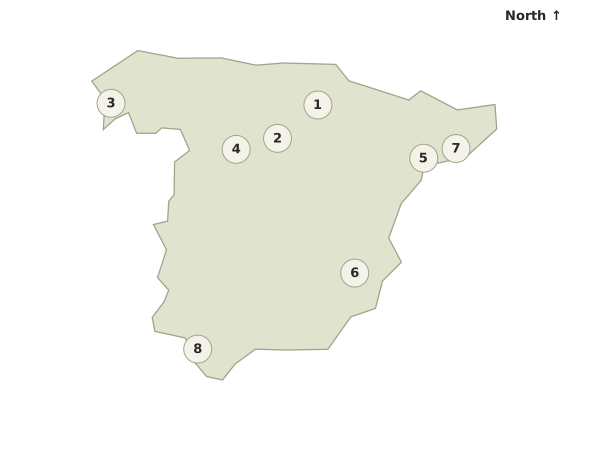
Portugal
From indigenous varieties to the Atlantic, Douro vineyards, and the maturation of Port and Madeira.
Learn about Portugal →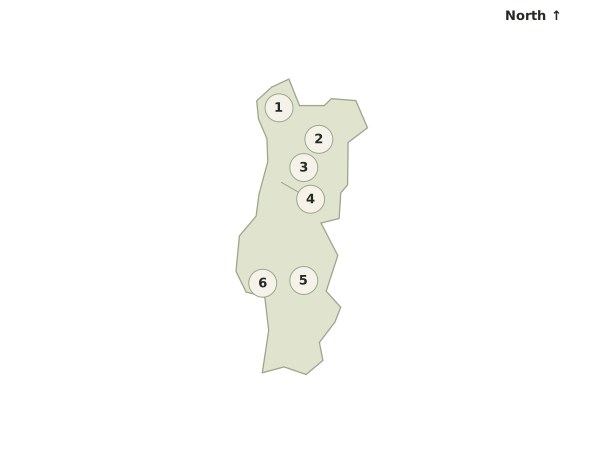
Germany
13 production regions, Riesling, then move to distinctions of origin and sugar content/sweet-dry styles.
Learn about Germany →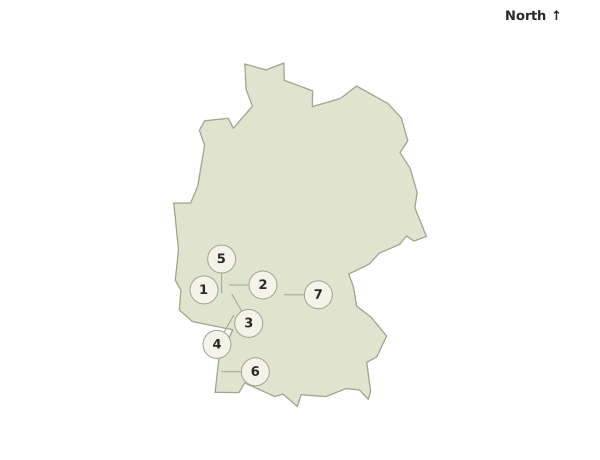
Austria
The Danube and eastern regions, DAC, field blends, cofermentation, and Sekt production.
Learn about Austria →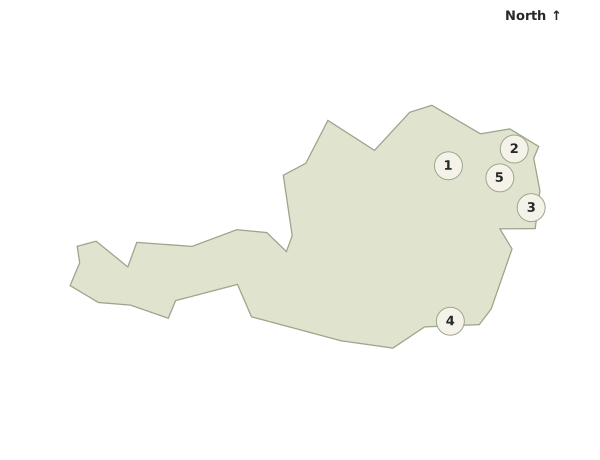
Hungary
From Tokaj to red wine regions, Furmint, botrytis and blend differences.
Learn about Hungary →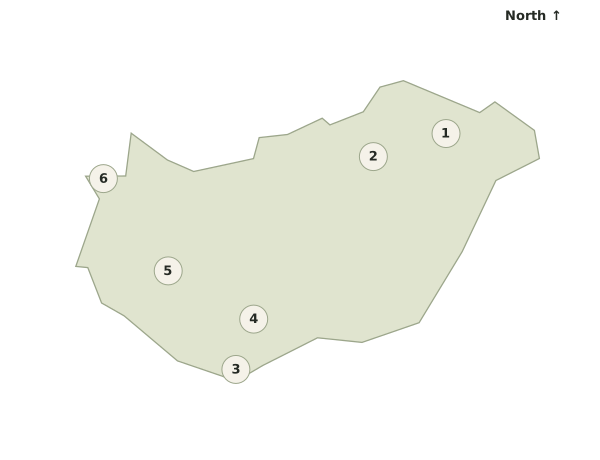
Greece
From islands and the mainland to Assyrtiko and Xinomavro, and differences in region and winemaking.
Study Greece →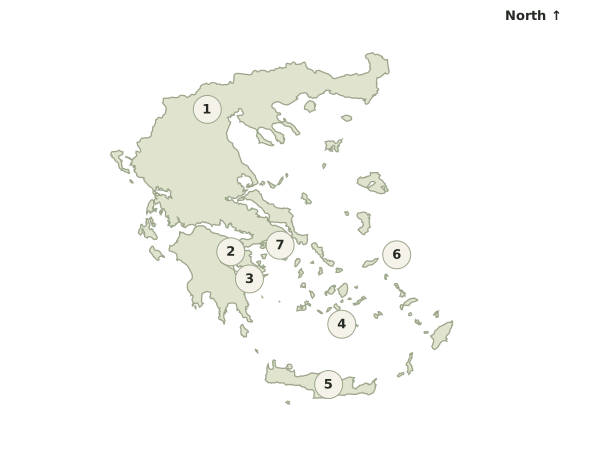
Switzerland
Lakes and the Alps, Chasselas, and regional and origin indications by canton.
Learn about Switzerland →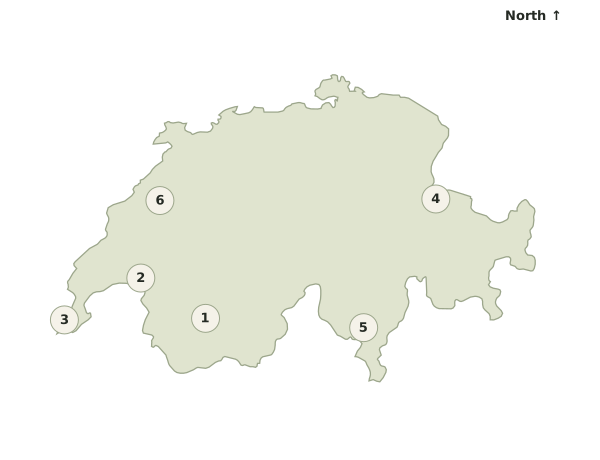
United States
From the Pacific coast to the inland and east. Learn the differences by AVA, varieties, vineyard, and winemaking.
Explore US wine →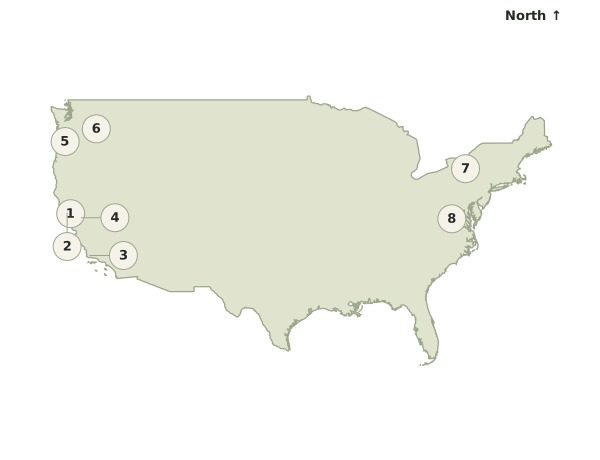
Australia
Region, GI, Shiraz, differences created by sea and elevation, and production styles by region.
Learn about Australia →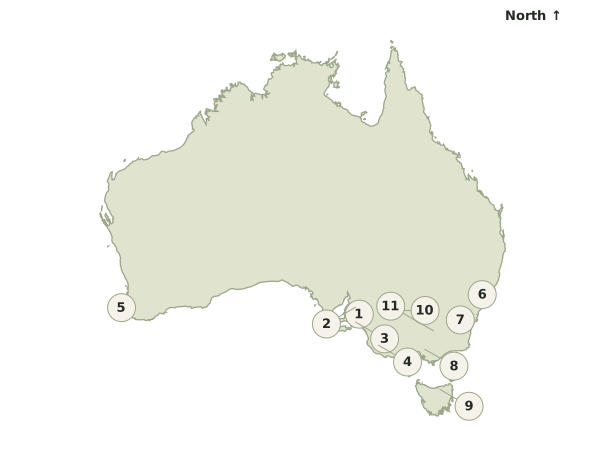
New Zealand
Northern and southern islands: from Sauvignon Blanc and Pinot Noir to vineyard differences.
Learn about New Zealand →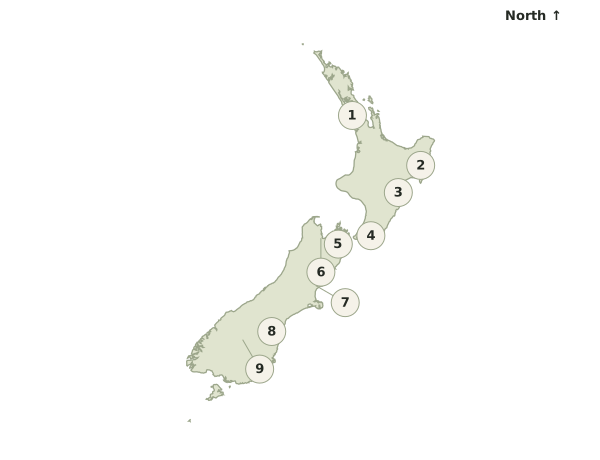
Chile
To the differences shaped by the Pacific, Andes, Carménère, valleys and vineyard locations.
Learn about Chile →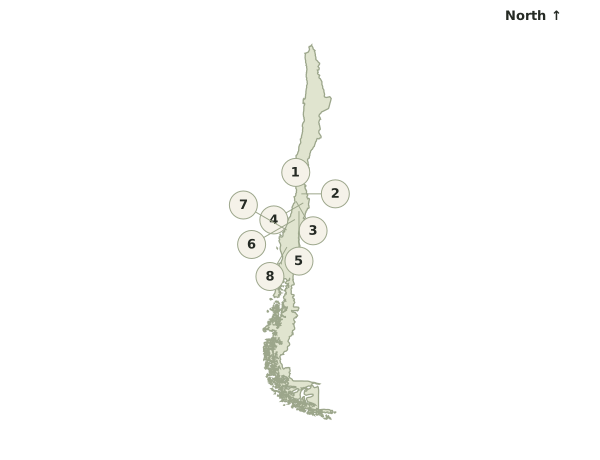
Argentina
High elevations of the Andes, Malbec and Torrontés, moving on to differences in altitude and winemaking.
Learn about Argentina →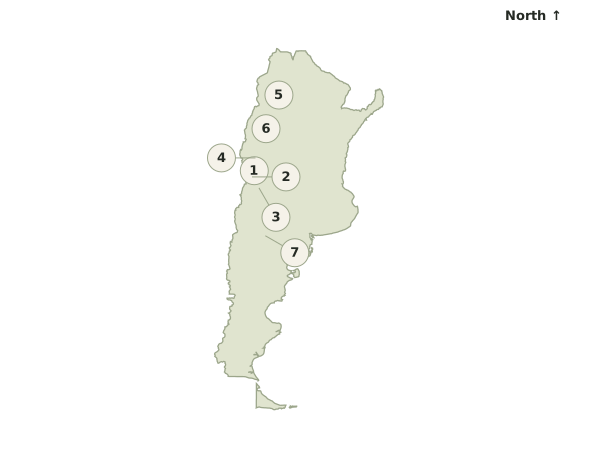
South Africa
From the sea and mountains, to Chenin Blanc and Pinotage, to the role of WOs and producers.
Study South Africa →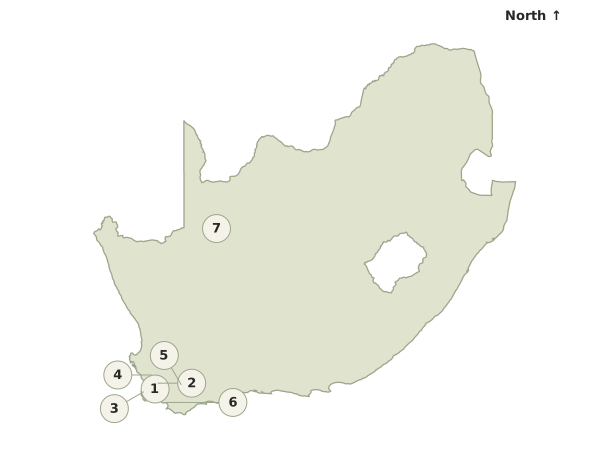
Canada
From lakes and cool-climate regions, move to VQA and icewine harvest and winemaking.
Study Canada →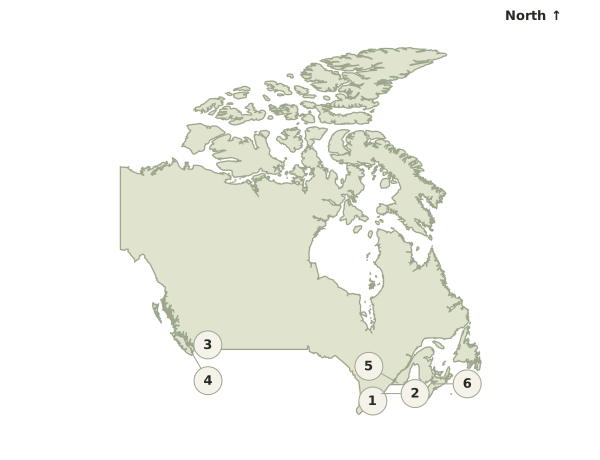
Romania
From mountain and plains, to Feteasca, appellations and the winemaking styles of each region.
Learn about Romania →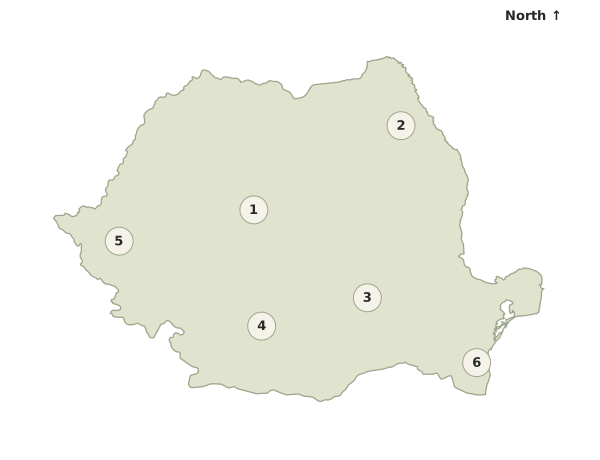
Bulgaria
Inland and Black Sea side, Mavrud, and how to read regions and designation of origin.
Study Bulgaria →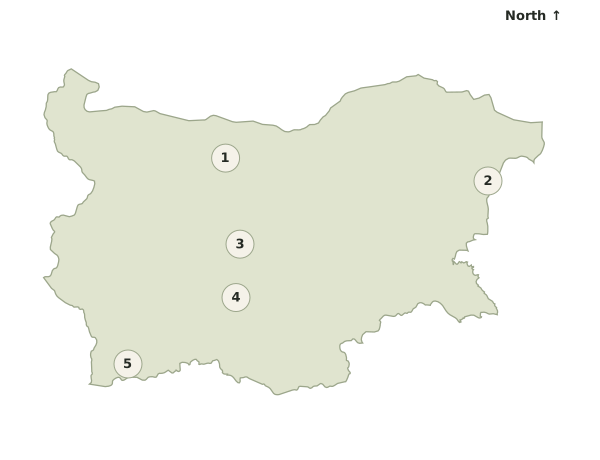
Moldova
From Codru to the south. Study indigenous varieties, origins labeling, and blending.
Study Moldova →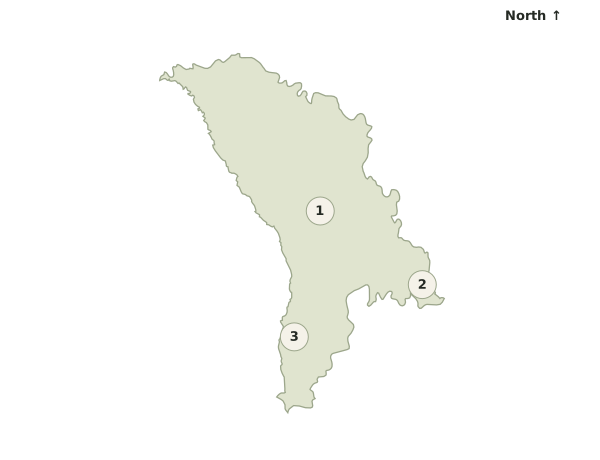
Georgia
From the east and west regions to Saperavi and Rkatsiteli, qvevri, and differences in appellations.
Study Georgia →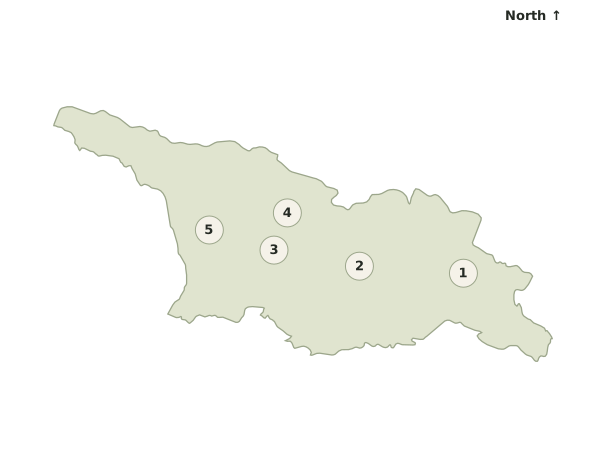
Slovenia
Three regions, nine districts, 'lebra', and co-fermentation and winemaking involving skins.
Study Slovenia →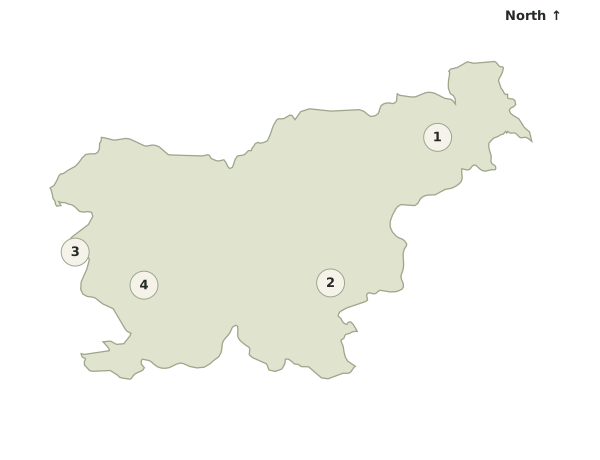
Croatia
Inland and the Adriatic, Graševina and Plavac Mali, focus on vineyards and maturation.
Learn about Croatia →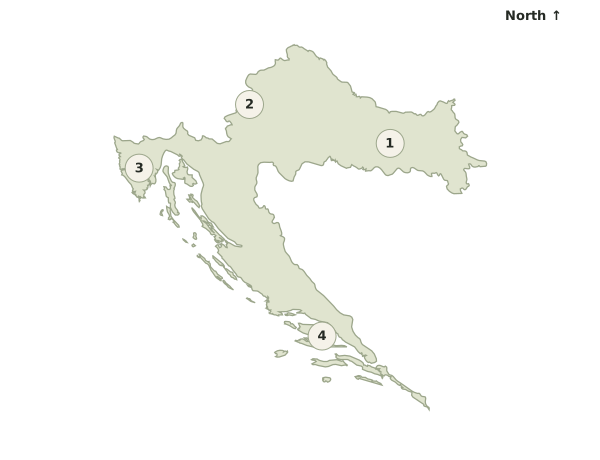
Luxembourg
From vineyards along the Moselle River to white varieties, Crémant, and the production of sweet wines.
Learn about Luxembourg →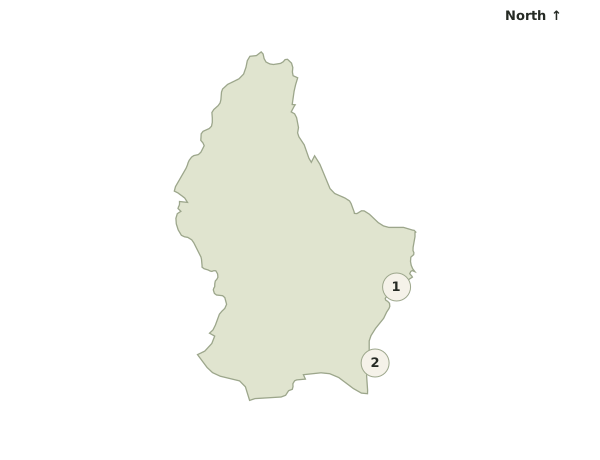
United Kingdom
England and Wales: cool-climate vineyards, PDO and traditional method sparkling.
Learn about the UK →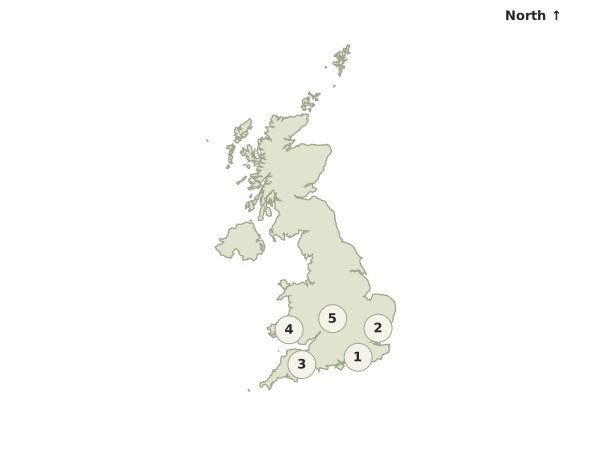
Uruguay
Compare the South and the Atlantic regions, Tannat and Albariño, differences in fermentation vessels and maturation.
Learn about Uruguay →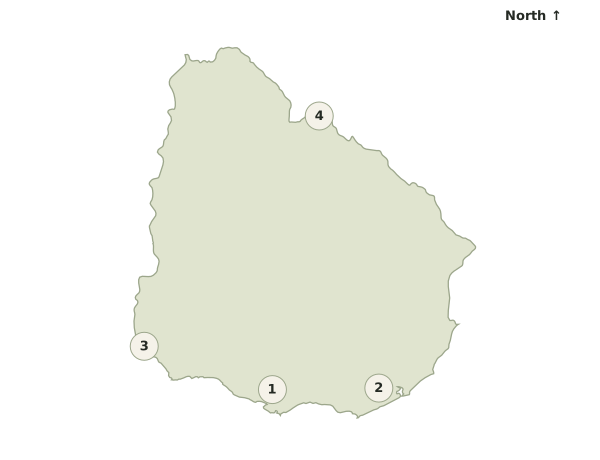
Japan
From major regions and GIs to Koshu and Muscat Bailey A, lees aging, and viticultural responses to rain.
Study Japan →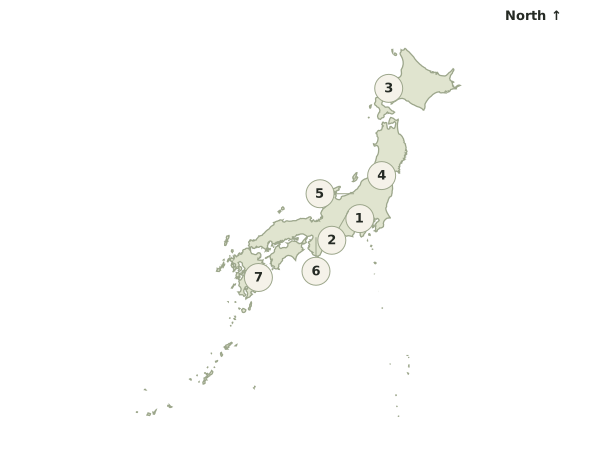
LEARN BY GRAPE
From the characteristics of grape varieties, progress to comparing vineyard, barrel, lees, and sparkling wine-making. Read articles focused on the varieties, and confirm your understanding through practical exercises using reference materials.
LEARN BY PRODUCER
Annual blend, vineyard plots, barrel usage, harvest decisions. Compare official materials from producers to connect regional and grape knowledge to specific wines.
THEMATIC COURSES
Compare the same variety in different regions or align steps of maturation. Read the articles and materials, and explain in your own words the reasons behind the differences.
Unify varieties, then compare the land.
Align the methods to compare winemaking.
ACROSS BORDERS
Even with the same fortification, the timing and purpose of the addition differ.
Even if the concentration method is the same, regional criteria must be considered individually.
Inland New Zealand and coastal Chile: comparing the causes of coolness.
Read about traditional Georgian methods and an example from a Slovenian producer.
Japanese and Uruguayan whites. Read the winemaking procedures across grape varieties.
Australia and South Africa: separate the processes that retain sweetness and the maturation stage.
YOUR NEXT CHAPTER
You can search articles by country, and record Completed and Read later in the same Study notebook.